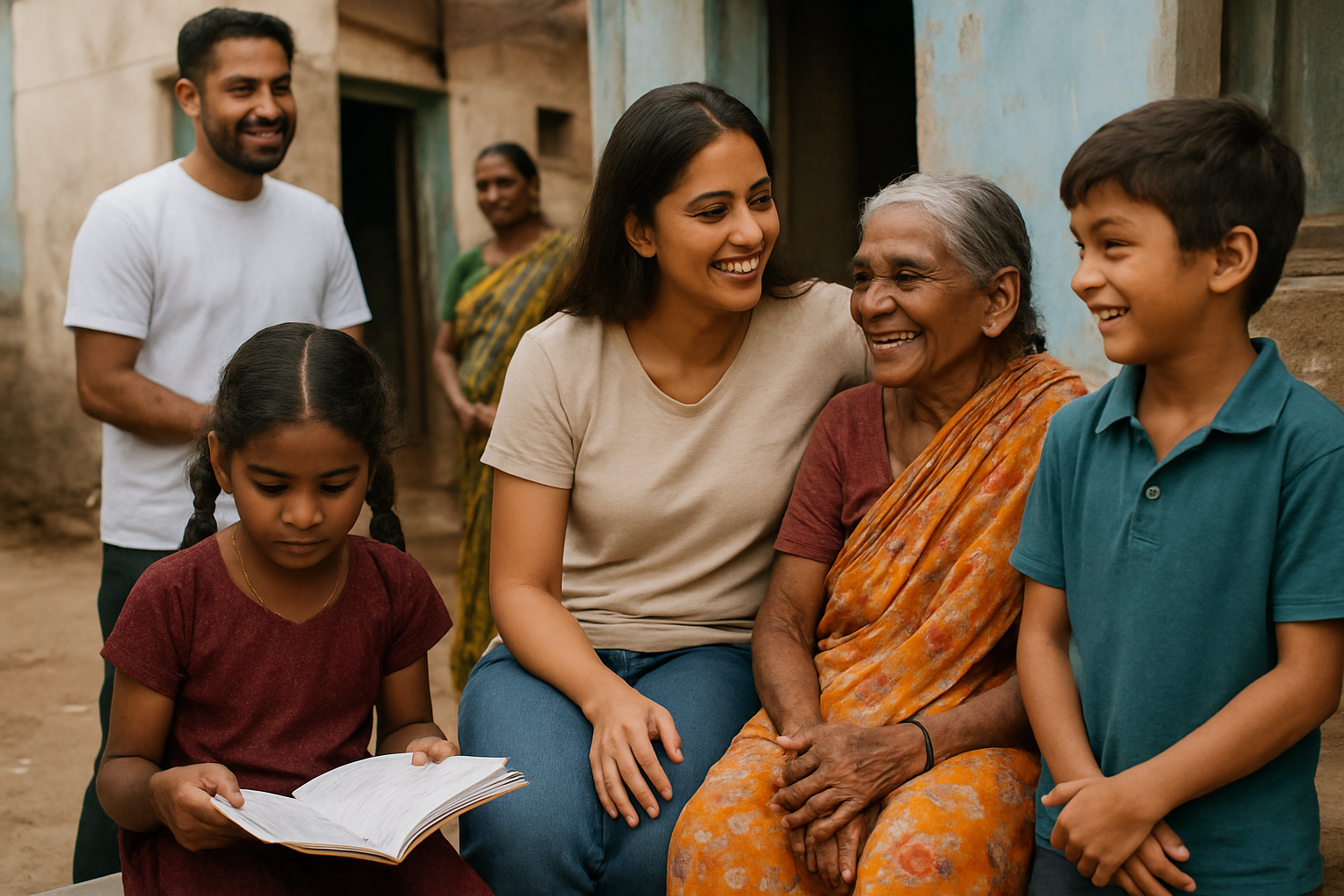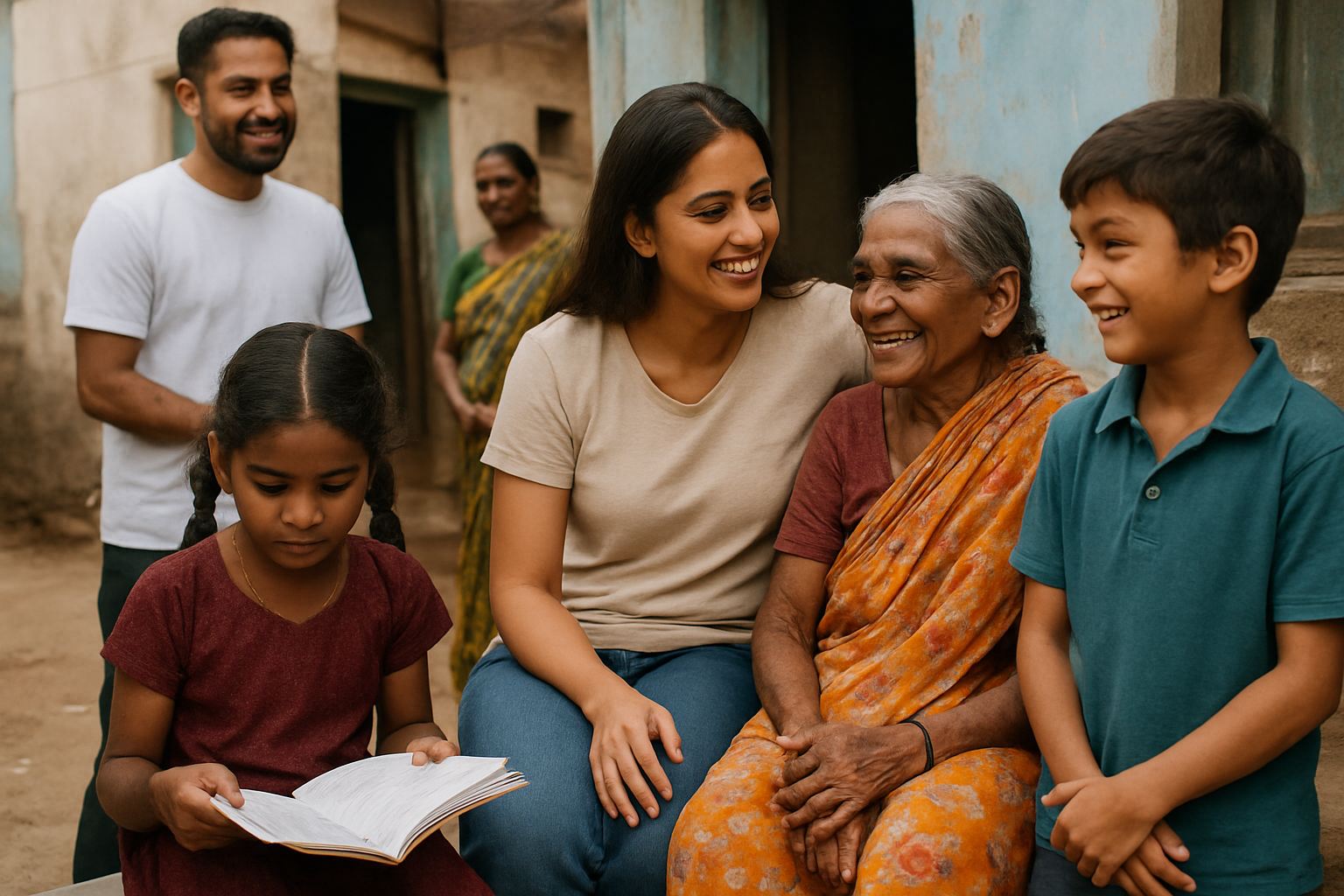
How Shravya Asha Foundation Builds Community Resilience through Education, Health, and Empowerment
Shravya Asha Foundation supports people and communities in need by connecting donors, volunteers, and partners with meaningful opportunities to create positive social impact. This article explains our approach across core areas — education, health & wellbeing, social welfare, community development, empowerment, and humanitarian support — and provides practical guidance for individuals and organizations who want to contribute.
Our approach: holistic, participatory, and adaptive
We take a holistic approach that recognizes the interconnection between education, health, social protection, economic opportunity, and community infrastructure. Our work is informed by listening to community needs, designing interventions that can be sustained locally, and adapting to changing circumstances. Wherever possible, we prioritize dignity, participation, and inclusion.
Core focus areas and typical activities
Below are the thematic areas we focus on and the kinds of activities we support. These are representative descriptions of our program directions rather than a record of completed events.
1. Education
- Promoting access to early childhood and school-age learning materials and safe learning environments.
- Supporting remedial learning, digital literacy, and teacher capacity building initiatives.
- Designing mentorship and scholarship support frameworks while encouraging community involvement in school governance.
2. Health & wellbeing
- Encouraging preventive health practices, mental health awareness, and access to basic health information.
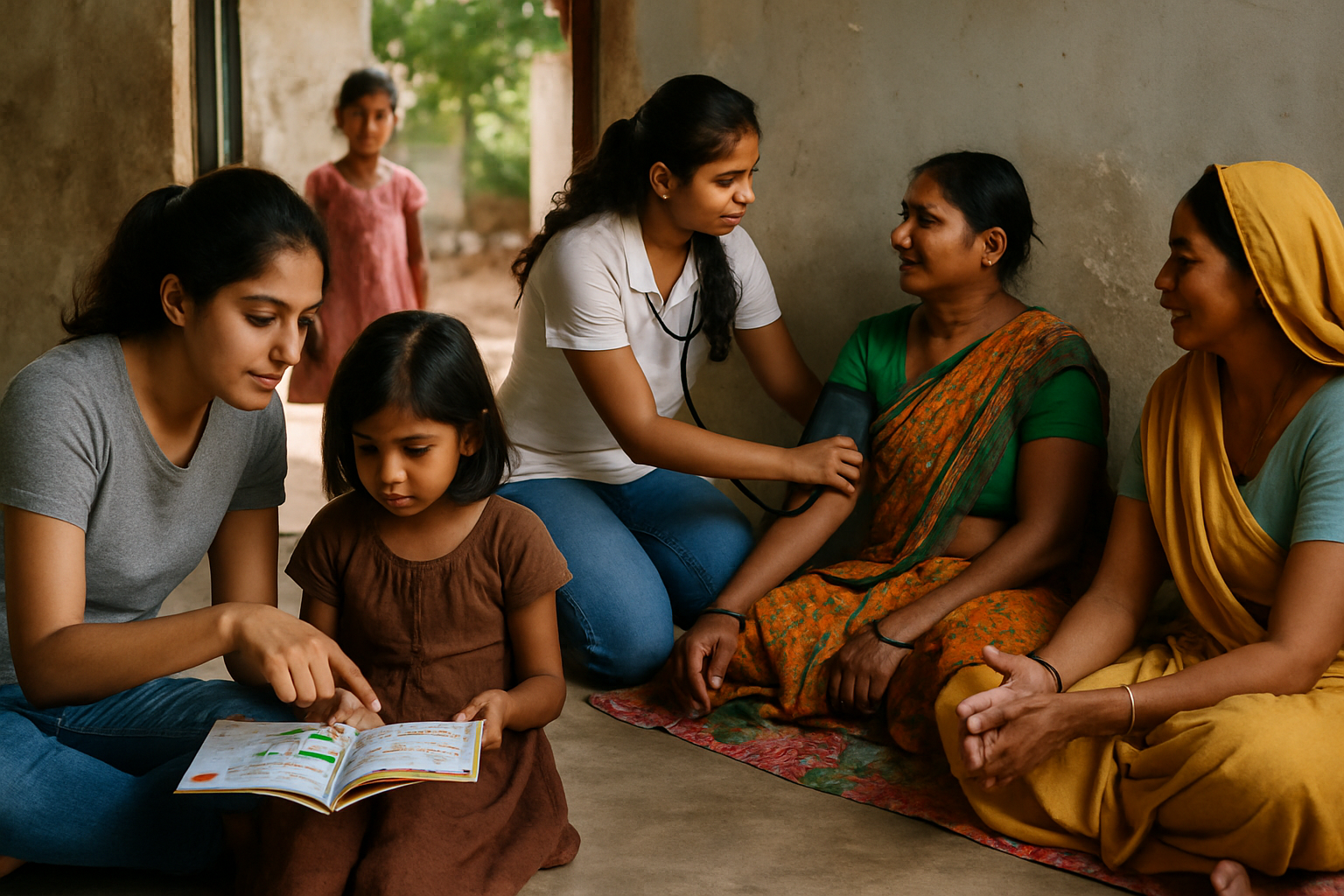
- Supporting community health education campaigns and wellbeing workshops led by qualified facilitators.
- Promoting safe practices for hygiene, nutrition, and maternal & child care in collaboration with local health providers.
3. Social welfare
- Working to connect vulnerable individuals and families with social support services and legal information.
- Designing livelihood support pathways and one-on-one counselling resources.
4. Community development
- Supporting community-led planning for basic infrastructure improvements and collective resource management.
- Facilitating capacity building for local committees and youth groups to sustain local initiatives.
5. Empowerment
- Promoting skills training, leadership development, and market-linked opportunities for women and youth.
- Encouraging civic participation and access to information that enables informed decision-making.
6. Humanitarian support
- Providing rapid response frameworks for humanitarian needs with a focus on safety, dignity, and coordination with local actors.
- Preparing contingency plans and community resilience measures in areas prone to disruption.
How we design and evaluate initiatives
Good programs combine community voice with clear objectives and measurable indicators. Typical design and evaluation steps include:
- Consultation: engaging community members, local stakeholders, and service providers to identify priorities.
- Planning: co-creating objectives, timelines, and roles that emphasize local ownership and sustainability.
- Implementation: running activities with transparent processes, safeguarding practices, and respect for participants.
- Monitoring and reflection: tracking progress with simple indicators, collecting feedback, and adapting as needed.
We encourage partners and supporters to look for transparency in budgets, clear monitoring plans, and feedback loops that allow communities to shape programs over time.
Ways you can help
There are many meaningful entry points for individuals and organizations who want to support community resilience:
- Donate: financial contributions help fund materials, facilitator fees, and emergency response items. Donors should ask about fund allocation and reporting timelines.
- Volunteer: roles might include tutoring, digital skills coaching, event logistics, translation, or data support. Volunteers should have relevant skills and commit to safeguarding practices.
- Partner: local NGOs, schools, clinics, and businesses can collaborate on joint activities or resource-sharing.
- Advocate: help raise awareness in your networks about the systemic issues communities face and how collective action can address them.
Suggested volunteer roles and sample activity drafts
Below are examples of volunteer roles and a sample draft event outline to illustrate how community programs can be structured. These are suggestions and drafts — not records of completed events.
- Suggested volunteer roles (draft): remedial learning tutor, digital literacy coach, health workshop facilitator (with appropriate credentials), monitoring & evaluation assistant, community outreach coordinator.
- Draft event outline (suggestion): Community Health & Hygiene Workshop
- Duration: half-day session
- Focus: basic hygiene practices, nutrition basics, and referral pathways to local services
- Facilitation: health professional or trained community facilitator
- Follow-up: short household visits or phone check-ins to reinforce messages
All volunteer roles and events must follow safeguarding, consent, and privacy guidelines. Volunteers should be briefed and supervised, and activities should be co-designed with community representatives.
Transparency, safeguarding, and accountability
Effective community support depends on trust. We emphasize clear communication about program goals and funding use, strong safeguarding policies to protect vulnerable people (especially children and survivors of abuse), and accessible feedback mechanisms so community members can raise concerns or suggest improvements.
Get in touch
If you are interested in learning more, volunteering, or supporting our work, please contact Shravya Asha Foundation at:
- Address: Dwarka Mor, New Delhi – 110075
- Phone: 9294592367
- Email: shravyaashafoundation@gmail.com
We welcome conversations about how best to align your skills, time, or resources with community priorities.
Placeholder testimonial (draft)
Draft testimonial (suggestion): “Working with Shravya Asha Foundation allowed me to contribute to local learning sessions and see the value of community-led planning.”
Note: The above is a suggested draft and not a published or verified testimonial.
Closing
Sustainable change happens when communities, supporters, and practitioners work together with humility and clarity. If you share our commitment to education, health, social welfare, community development, empowerment, and humanitarian support, reach out — together we can explore opportunities to build lasting resilience.